






18-23 mmHg

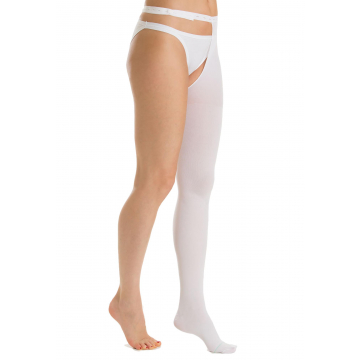
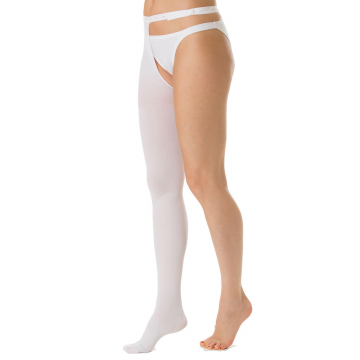
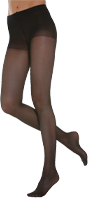
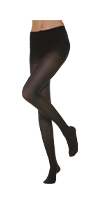
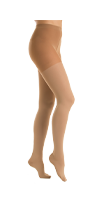
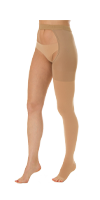
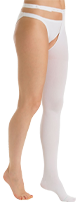
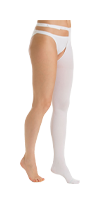
Class 1 single-leg anti-embolism tights 18-23 mmHg
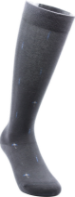
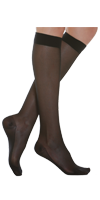
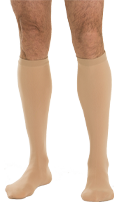
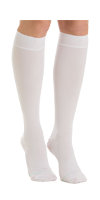
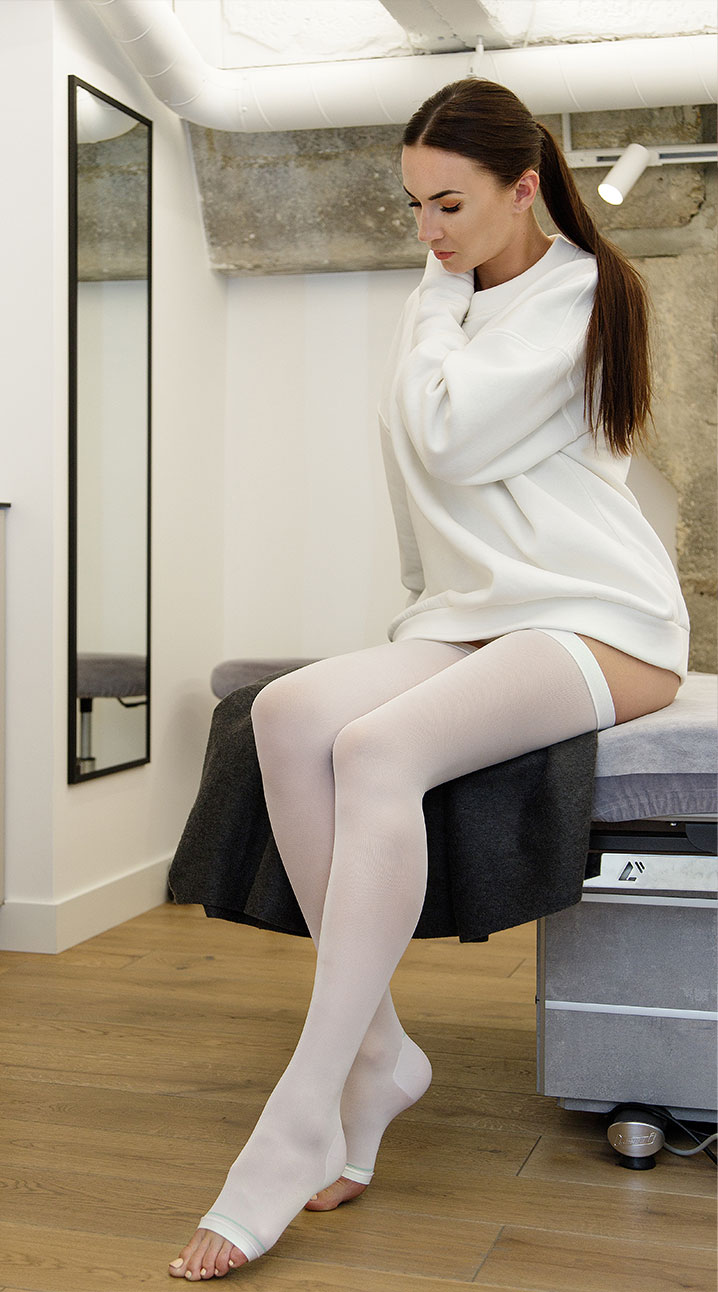
Anti-embolism stockings are medical and therapeutic devices designed to help reduce the risk of or prevent deep vein thrombosis. A doctor can advise the patient on the type of stocking best suited to their needs. Knee-high stockings may be less suitable in some cases, as they provide compression only to the lower part of the leg, but when treatment is required specifically in this area they can represent the most appropriate solution.
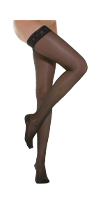
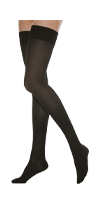
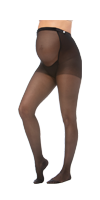
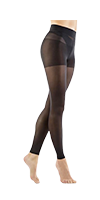
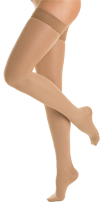
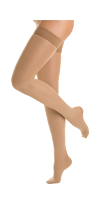
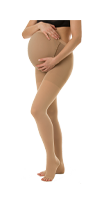
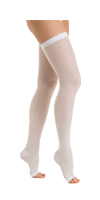
In other cases, there are three main alternatives: thigh-high stockings, which cover the foot and the entire thigh almost up to the groin, or Class 1 anti-embolism tights and single-leg anti-embolism tights. These garments provide graduated compression of 18-23 mmHg, applying different levels of pressure to the various areas of the leg and helping promote blood flow.
18 mmHg anti-embolism tights and single-leg tights: Relaxsanshop solutions
The Class 1 single-leg anti-embolism tights with 18-23 mmHg compression offered by Relaxsanshop help promote blood flow and reduce symptoms associated with peripheral venous thrombosis. These medical garments can also provide an effective solution for helping prevent blood clot formation, particularly during prolonged periods of bed rest or immobility.
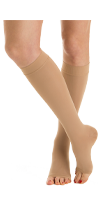
Single-leg anti-embolism tights should not be worn on a daily basis unless prescribed by a doctor and should primarily be used during periods of bed rest. The 18-23 mmHg graduated compression tights feature an inspection toe opening that allows healthcare professionals to easily check the patient's toes.
The anatomical reinforced heel is combined with an elastic waistband. The waistband can be adjusted using a button to help ensure a comfortable and secure fit. The product remains lightweight, comfortable and secure. Relaxsanshop offers only Made in Italy tights. The tights are manufactured with a mesh knit structure that helps improve the distribution of compression along the leg.
How to wear 18-23 mmHg anti-embolism tights
Class 1 single-leg anti-embolism tights, which are CE-marked medical devices, should be worn after carefully cleaning the affected area. Their use is not recommended for people suffering from exudative dermatoses or allergies to any of the materials used to manufacture the stockings.
Applying a small amount of talcum powder to the skin may make the garment easier and more comfortable to put on. Class 1 single-leg anti-embolism tights should be handled with great care, preferably while wearing gloves to avoid causing small tears or damage with the fingernails. It is recommended to roll the toe section of the tights down to the heel, gently widening the garment with your hands while keeping your fingers on the fabric. The stocking should then be carefully unrolled over the heel. It is advisable to adopt a comfortable position while putting it on.
The stocking should fit evenly along the entire leg so that the fabric remains close to the skin and can provide consistent graduated compression. It is recommended to use the palms of the hands to gently position the stocking without pulling on its edges.
Post-operative support
18 mmHg single-leg anti-embolism tights can also provide effective support following surgery. They may be used particularly after knee or hip replacement surgery, following a caesarean section and after surgical procedures that require the patient to remain in bed for a period of complete rest.
The tights feature an inspection toe opening that allows healthcare professionals to easily and safely assess the patient's condition. Class 1 single-leg anti-embolism tights with 18-23 mmHg compression help support blood circulation throughout the period of bed rest.